Understanding a horse’s coat color is no longer a puzzle reserved for breeders; free online calculators now let any horse lover decode the genetics behind chestnut, palomino, or the rare splash white in a few clicks. By entering parent genotypes, users instantly see probability tables and visual previews, turning a complex Mendelian trait into an accessible, interactive experience.
Why coat‑color genetics matter to everyday riders
For most owners, a horse’s color is the first thing they notice, but it also hints at underlying genes that affect health, temperament, and breeding value. The basic palette—black, chestnut, bay—stems from a handful of loci such as MC1R (Extension) and ASIP (Agouti). Knowing which alleles a mare and stallion carry helps avoid unwanted outcomes, like breeding two gray horses that could produce a foal with a higher risk of premature greying.
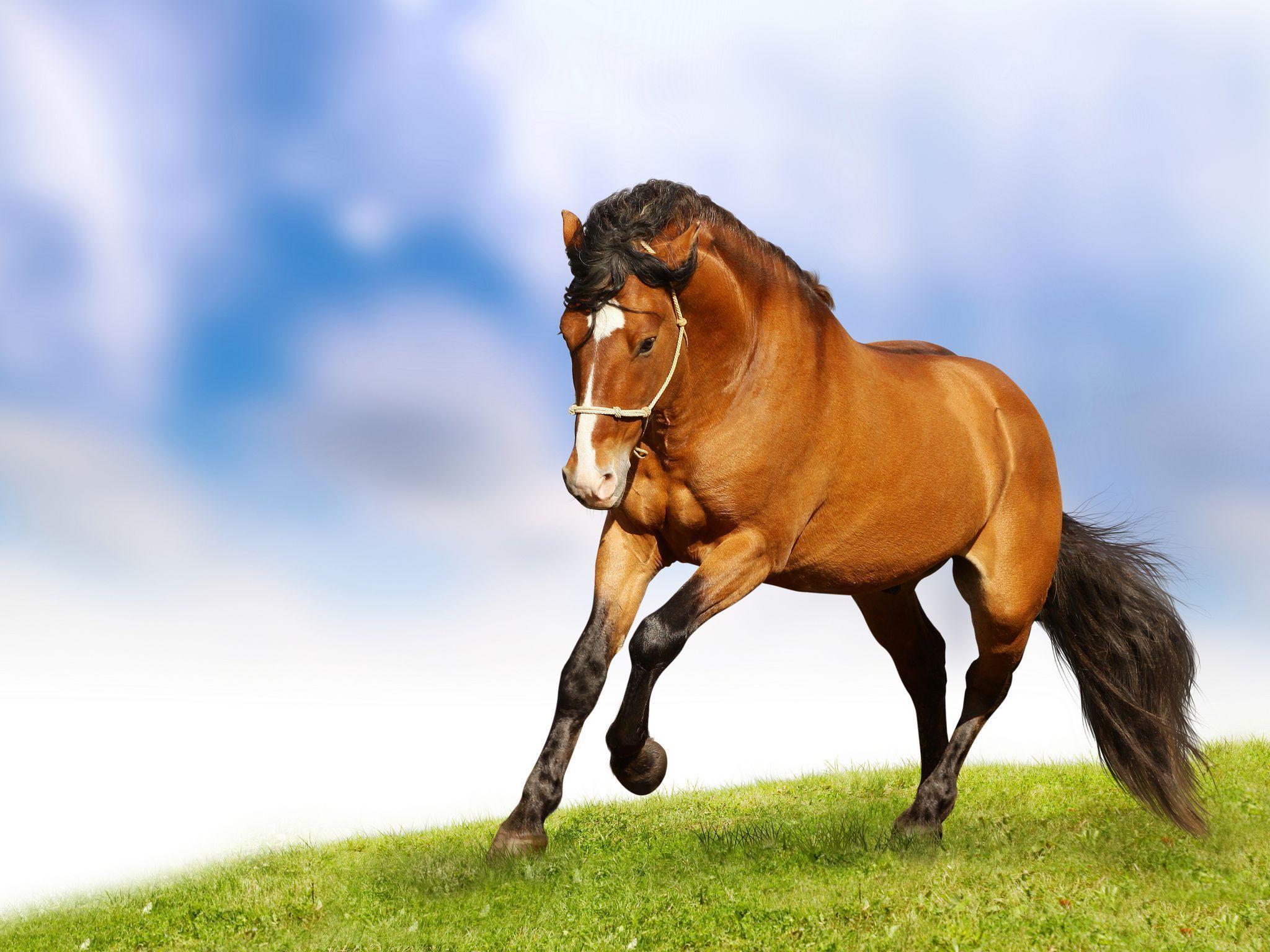
Beyond pedigree charts, the calculators incorporate newer modifiers like the Cream gene, which transforms a chestnut into a palomino or a buckskin, and the Dun gene that adds primitive markings. These nuances, once the domain of specialized textbooks, are now visualized alongside probability charts, letting hobbyists plan colors with confidence.
Step‑by‑step: Using an online coat‑color calculator
Most platforms follow a simple three‑step workflow:
- Gather parental genotypes. Records from registries or DNA test results list alleles for Extension (E/e), Agouti (A/a), Cream (C⁺/c), and other modifiers.
- Enter the data. Input fields typically ask for the horse’s breed, sex, and specific alleles. Some calculators pre‑fill common breeds like Quarter Horse or Arabian, reducing manual entry.
- Review the results. The output screen shows a table of possible foal colors with percentages, a color swatch preview, and a brief explanation of each genotype’s role.
For example, entering a mare with genotype E/e (heterozygous black) and A/a (heterozygous bay) crossed with a stallion carrying e/e (chestnut) and a/a (non‑bay) yields a 50% chance of chestnut foals and a 50% chance of bay foals, each displayed with a realistic illustration. Some calculators also flag rare combinations—such as a possible silver dapple—so owners can anticipate unusual coats before the foal is born.
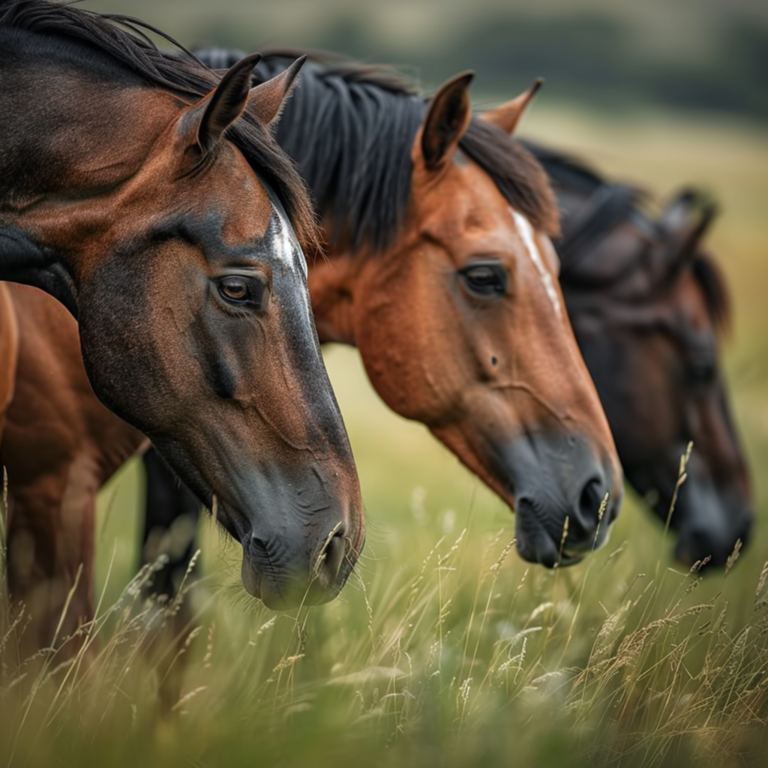
Advanced tools may let users experiment with hypothetical genotypes, enabling future‑breeding scenarios. By toggling a single allele, you instantly see how a single Cream gene can shift a bay into a buckskin, or how a second Cream allele turns a chestnut into a cremello.
Choosing the right calculator and next steps
Not all calculators are created equal. The most reliable options are those linked to official breed registries and that disclose their algorithm sources, such as the American Quarter Horse Association’s partner sites or the International Society for Animal Genetics’ recommended list. Features to prioritize include:
- Clear genotype definitions. Look for dropdowns that explain each allele rather than cryptic codes.
- Visual color rendering. Accurate swatches help users match predictions to real horses.
- Exportable reports. PDFs or CSV files are handy for keeping records or sharing with a veterinarian.
After identifying a suitable calculator, the practical next step is to verify your horses’ genotypes with a reputable DNA testing service. Once the results arrive, they can be entered into the calculator to produce a concrete breeding plan or simply to satisfy curiosity about a favorite mare’s potential offspring.
By turning complex genetic formulas into a few mouse clicks, online coat‑color calculators empower everyday horse enthusiasts to make informed decisions, admire the science behind a striking mane, and share accurate predictions with fellow riders.
Free Images : Horses, Sky, Ecoregion, Cloud, Liver, Natural Landscape

Free Images : horses, sky, ecoregion, cloud, liver, natural landscape ...
Horse Pictures · Pexels · Free Stock Photos
Horse Pictures · Pexels · Free Stock Photos
How Environment Affects Horse Behavior – Of Horse
How Environment Affects Horse Behavior – Of Horse