Random color pattern generation has moved from experimental novelty to a practical tool for brands seeking fresh visual identities, UI designers looking to break monotony, and marketers aiming for engaging social media assets. By leveraging algorithmic randomness, creators can produce palettes and layouts that feel organic, yet remain controllable enough to meet brand guidelines. Understanding the strengths, trade‑offs, and realistic expectations of this technique is essential before committing resources.
Why Randomness Matters in Modern Design
Traditional color selection often follows static rules—complementary wheels, fixed brand palettes, or designer intuition. Random generation injects variability, helping teams avoid “palette fatigue” and uncover combinations that might never surface in a manual process. The result can be a more vibrant visual language that captures attention without drifting into chaos, especially when paired with constraints that keep the output usable.
Concrete Benefits for Value‑Focused Buyers
Businesses that invest in random color pattern tools typically see quicker prototyping cycles. Instead of spending hours manually testing shades, an algorithm can churn out dozens of coherent schemes in seconds, letting teams focus on higher‑order decisions like layout and messaging. For e‑commerce sites, this agility translates to A/B tests that reveal which color arrangements drive click‑throughs, providing measurable ROI on visual experimentation.
Speed and Scalability
- Instant generation of 10‑100 palette options per click.
- Automation integrates with design systems to auto‑apply approved hues across components.
- Reduced reliance on external designers for small‑scale projects.
Creative Freshness
- Algorithmic “surprise” introduces unexpected contrasts that spark new ideas.
- Dynamic patterns keep long‑running campaigns feeling current.
- Easy adaptation for seasonal or localized variants.
Trade‑offs and Realistic Expectations
While randomness can be a catalyst, it is not a silver bullet. Unconstrained algorithms may produce clashing colors or patterns that violate accessibility standards. Moreover, the novelty factor wears off if the output is not curated—randomness without refinement can dilute brand consistency and confuse audiences. Expect a hybrid workflow: the machine proposes options, a human reviews and selects the final set.
Potential Pitfalls
- Loss of Brand Cohesion: Without guardrails, generated palettes might stray beyond acceptable brand tones.
- Accessibility Risks: Random contrast ratios may fall short of WCAG AA/AAA guidelines.
- Over‑Automation: Relying solely on algorithms can stifle the intentional storytelling that seasoned designers bring.
Getting Started: Tools, Tips, and a Visual Hook
Popular platforms such as Adobe Color, Coolors, and open‑source libraries like Chroma.js offer APIs that let you specify constraints (e.g., hue range, saturation limits) while still embracing randomness. A simple workflow might involve generating a base palette, running it through an accessibility validator, and then applying the approved colors to a pattern generator that creates repeatable textures for backgrounds or UI components.

Think of the cyclops illustration above as a metaphor for the “single eye” of control within a sea of randomness—designers retain a focal point while exploring myriad possibilities. By setting clear constraints, you harness the creative chaos into a disciplined, repeatable process.
Implications for Future Projects
As AI‑driven design tools mature, random color pattern generation will become more context‑aware, adapting suggestions based on user behavior data or product categories. Early adopters who balance algorithmic output with human oversight will secure a competitive edge—delivering fresh visual experiences without sacrificing brand integrity or accessibility.
Greek Monster Cyclops

Greek Monster Cyclops
Cyclops - One-Eyed Giant Forgers Of Thunder In Greek Mythology
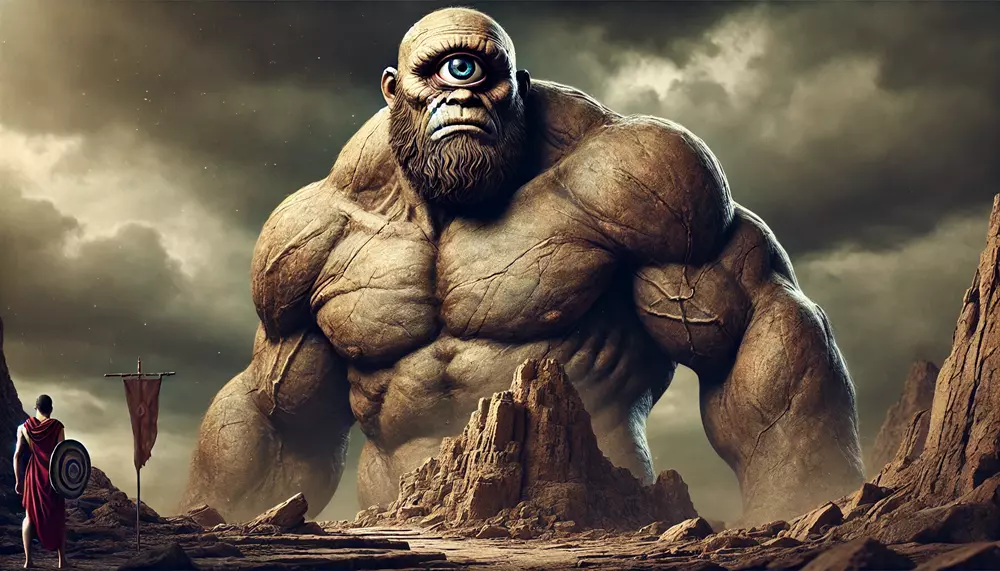
Cyclops - One-Eyed Giant Forgers of Thunder in Greek Mythology
Giants Mythical Creatures Cartoon

Giants Mythical Creatures Cartoon
Cyclops Greek Mythology Symbol
Cyclops Greek Mythology Symbol