Even seasoned hobbyists can derail a seemingly simple noodle dish with a single misstep—whether it’s a soggy strand, a bland broth, or a wok that refuses to cooperate. Below, we break down the most frequent “twisted” errors and give you concrete steps to keep your Asian‑inspired meals on point, no matter how busy the kitchen gets.
Why the “twist” matters: common pitfalls in noodle prep

The term “twisted” isn’t just a visual cue; it reflects the delicate balance of texture, flavor, and timing that defines a great noodle bowl. When any of those elements gets tangled, the entire dish suffers. Recognizing the root cause lets you correct it before it becomes a habit.
Scenario 1: Over‑cooking the strands
Most home cooks treat the “al dente” rule like a suggestion. In reality, noodles continue to firm up once removed from boiling water, especially when they hit a hot sauce.
- Measure the exact cook time on the package, then subtract 30 seconds.
- Rinse briefly under cool water if the recipe calls for a stir‑fry; this stops the cooking process and removes excess starch.
- Reserve a splash of noodle water—about ¼ cup—for later; it helps the sauce cling without turning gelatinous.
Scenario 2: Using the wrong oil or overheating it
A high‑smoke‑point oil is essential for a quick sear, yet many reach for sesame oil because it “feels Asian.” That’s a flavor mistake, not a technique mistake.
- Start with canola, grapeseed, or peanut oil for the initial stir‑fry.
- Add a drizzle of toasted sesame oil at the end for aroma, not for cooking.
- Heat the pan until a drop of water sizzles—no smoke—then add the oil. This ensures a smooth, non‑sticky surface.
Scenario 3: Ignoring the balance of salt, acid, and umami

When a broth tastes flat, the culprit is often an unbalanced seasoning stack. Instead of dumping soy sauce, think of flavor as a three‑part chord.
- Start with a base of soy sauce (salt) and fish sauce (umami).
- Add acidity—lime juice, rice vinegar, or a splash of tamarind—right before serving.
- Finish with a pinch of sugar or honey to smooth sharp edges.
Adjust each component in small increments; the goal is harmony, not overwhelm.
Scenario 4: Over‑crowding the wok and steaming the noodles
When too many ingredients hit the pan at once, the temperature drops, and the noodles become soggy. The solution is a simple choreography.
- Cook proteins first, set aside, then re‑heat the wok before adding vegetables.
- Introduce noodles in a thin, even layer; let them sit for 15 seconds before tossing.
- Add sauces and remaining components in quick succession, keeping the motion brisk.
Scenario 5: Skipping the finishing garnish
Even the most technically flawless bowl can feel unfinished without texture and brightness.
- Scatter toasted sesame seeds, crushed peanuts, or fried garlic for crunch.
- Finish with fresh herbs—cilantro, Thai basil, or scallions—to lift the palate.
- A drizzle of chili oil or a smear of pickled ginger adds a controlled heat punch.
By keeping these five “twisted” traps in mind, you’ll transform a routine noodle night into a showcase of technique and flavor. The next time you fire up the wok, remember: proper timing, the right oil, balanced seasoning, space management, and thoughtful garnish are the pillars that keep your Asian‑inspired meals from slipping into the tangled side of culinary mishap.
Twisted Series 4 Books Collection Set (Twisted Love, Twisted Games

Twisted Series 4 Books Collection Set (Twisted Love, Twisted Games ...
Twisted Tea Rocket Pop 12 Pack
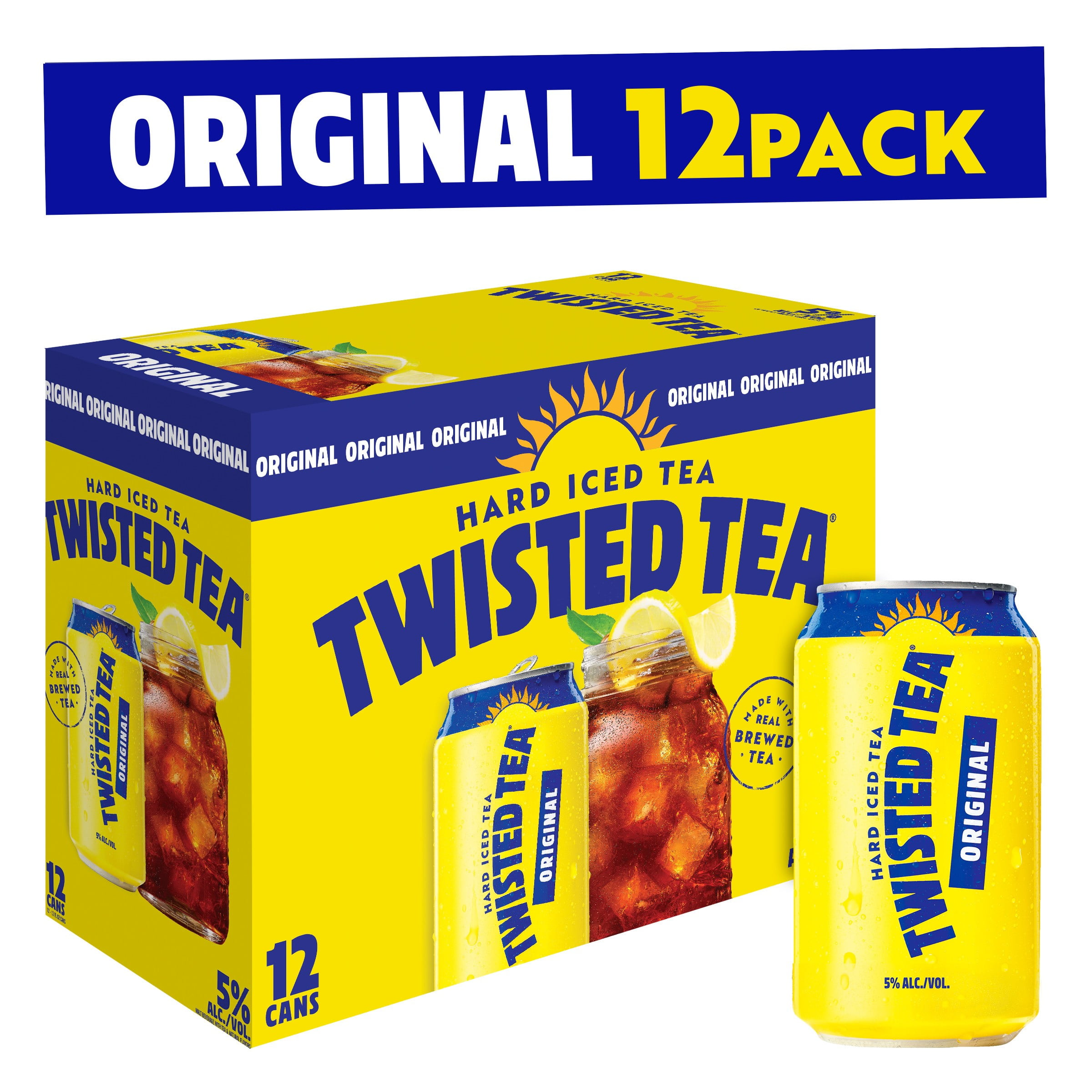
Twisted Tea Rocket Pop 12 Pack
Twisted Series Ana Huang – Artofit

Twisted series ana huang – Artofit