When your grocery bill climbs or your mortgage payment feels oddly steady, it isn’t just market whimsy at work. Central banks—through a series of deliberate moves—shape the pace of inflation, often without the public ever seeing the levers being pulled.
What tools do central banks actually use to steer inflation?
Most people associate “interest rates” with the cost of borrowing, but in reality, rates are a multi‑purpose instrument. By adjusting the benchmark rate, a central bank influences everything from loan rates to savings yields, which in turn nudges consumer spending and price pressures.
- Policy (benchmark) rate changes: Raising rates makes credit more expensive, cooling demand; lowering rates does the opposite.
- Open market operations: Buying or selling government securities changes the amount of money banks have to lend.
- Quantitative easing (QE): Large‑scale asset purchases flood the system with liquidity, aiming to lower long‑term rates.
- Forward guidance: Publicly signaling future policy intentions shapes expectations before any actual rate move.
- Reserve requirement tweaks: Adjusting the percentage of deposits banks must hold reduces or expands lending capacity.
How does each tool translate into everyday price changes?
Think of a bakery you pass on Main Street. When the central bank tightens policy, the cost of borrowing for the bakery’s owner rises.  That extra expense often shows up as a higher price per loaf, a direct line from the policy boardroom to the checkout counter.
Conversely, an expansive policy—like QE—injects more cash into the economy. With cheaper loans, the bakery can invest in better ovens, possibly raising production without raising prices. Yet, if the extra money chases the same amount of goods, the overall price level climbs, and the next loaf may cost a few cents more.
Why do central banks prefer indirect control over direct price caps?
Directly fixing prices would be a blunt instrument, quickly causing shortages or black markets. By manipulating the broader money supply, central banks aim for a smoother, market‑driven adjustment. This approach respects the price‑signal mechanism that allocates resources efficiently while still steering the economy toward a target inflation rate—often around 2 % in many advanced economies.
What are the hidden risks of “manipulating” inflation?
Even seasoned policymakers can misread the economy’s pulse. Over‑tightening may push growth into recession, while over‑easing can overheat the market, eroding purchasing power. Moreover, the tools aren’t always symmetrical: Raising rates typically impacts borrowing quickly, but cutting them may take months to filter through the economy.
Another subtle risk lies in expectations. If households begin to suspect that inflation will stay persistently low, they may postpone spending, dulling the intended stimulus. That is why forward guidance—essentially a public promise about future actions—plays a crucial role in shaping the “inflation psyche.”
How can an everyday consumer stay ahead of central bank moves?
- Watch the central bank’s meeting calendar—decisions often cluster around quarter‑ends.
- Listen for clues in the central bank’s statements; phrases like “gradual tightening” hint at upcoming rate hikes.
- Track mortgage and auto‑loan rates, as they move in tandem with policy changes.
- Keep an eye on staple‑goods prices (bread, gasoline, utilities) to feel the early impact of monetary shifts.
By understanding the behind‑the‑scenes playbook, you can anticipate price trends before they fully materialize, turning what seems like opaque monetary engineering into a practical compass for personal finance.
Cómo Abrir Una Panadería-obrador - METRIA Arquitectos
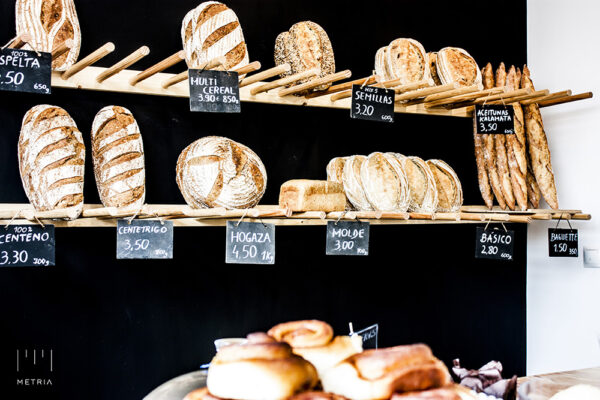
Cómo abrir una panadería-obrador - METRIA Arquitectos
Obrador La... - Obrador La Capitana, Panaderia-pasteleria

Obrador La... - Obrador La Capitana, panaderia-pasteleria
Diseño De La Panadería L'Obrador En Barcelona
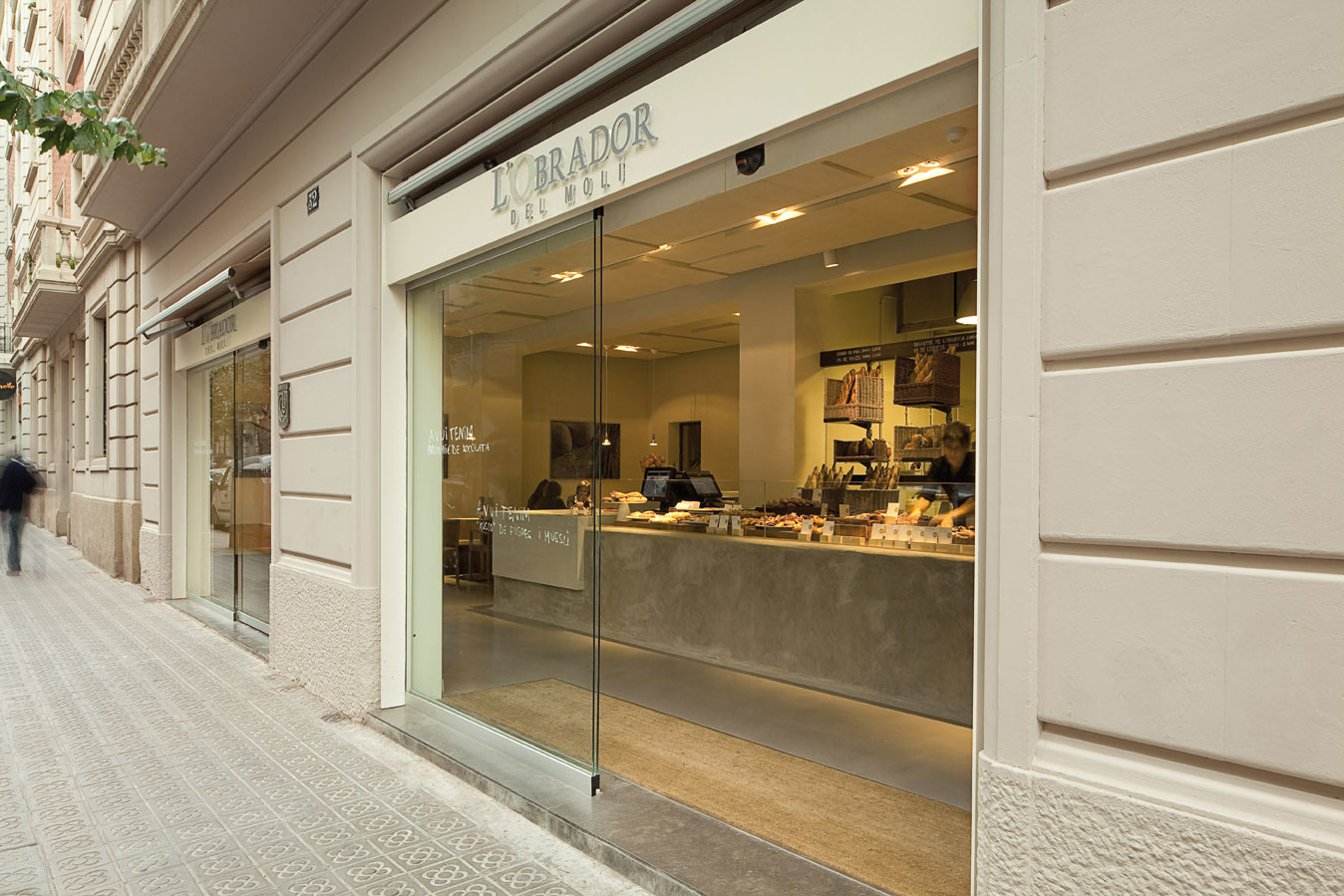
Diseño de la panadería L'Obrador en Barcelona
Inicio - Obrador La Panadería

Inicio - Obrador la Panadería