For home brewers looking to diversify beyond beer and cider, the Mead Co Beginners Guide to Making Traditional Fermented Honey Wine offers a step‑by‑step roadmap that balances historic technique with modern convenience, allowing a busy schedule to accommodate a brew that can sit on a kitchen shelf for weeks and still deliver a nuanced, honey‑forward finish.
What basic tools are essential for a first‑time mead maker?
- Primary fermenter: A food‑grade, 5‑gallon glass carboy or a stainless‑steel bucket with a tight‑fitting lid.
- Airlock and stopper: Simple silicone or glass airlocks prevent contamination while allowing CO₂ to escape.
- Hydrometer: Measures original and final gravity to track fermentation progress.
- Sanitizer: A no‑rinse solution such as Star‑San is non‑negotiable for maintaining a sterile environment.
How do you calculate the honey‑to‑water ratio for a balanced mead?
The classic “traditional” mead follows a 1:4 ratio (one part honey to four parts water by volume), yielding an alcohol content around 12% ABV. Adjust the ratio if you prefer a lighter or richer profile; a 1:3 mix can push ABV to 14% while a 1:5 mix stays near 10%.
Which fermentation steps ensure consistent results?
- Warm the honey gently (no more than 40 °C) to improve solubility, then dissolve it in the measured water.
- Cool the must to 20–22 °C before adding yeast; temperature shocks can stall fermentation.
- Pitch a reliable yeast strain—Lalvin 71B‑New for fruit‑forward notes, or EC‑1118 for high‑alcohol tolerance.
- Seal the fermenter, attach the airlock, and store in a dark, temperature‑stable area for 2–4 weeks.
- When specific gravity stabilizes (usually ~1.010), rack the mead into a secondary vessel to clear sediments.
Can you enhance flavor without complicating the process?
Yes. Adding citrus zest, a pinch of cinnamon, or a handful of dried berries during secondary fermentation introduces complexity without demanding extra equipment. For a truly traditional finish, let the mead age for at least three months; the honey’s sharpness mellows, and subtle aromatics emerge.
What safety considerations should a beginner keep in mind?
Fermentation produces alcohol and CO₂; ensure the fermenter is never sealed airtight. Keep the brew out of direct sunlight to prevent off‑flavors, and always sanitize any tool that contacts the liquid. If the airlock stops bubbling, test gravity before assuming fermentation is complete.
How does traditional mead compare to other craft beverages?
Compared with cider, mead typically has a higher residual sugar level, delivering a smoother mouthfeel. Its alcohol strength sits between most beers (4‑6% ABV) and most wines (12‑14% ABV), making it a versatile base for both sipping and cocktail applications. The lack of malt eliminates gluten concerns, positioning mead as a naturally gluten‑free alternative for consumers with dietary restrictions.
Where can you find reliable resources for ongoing learning?
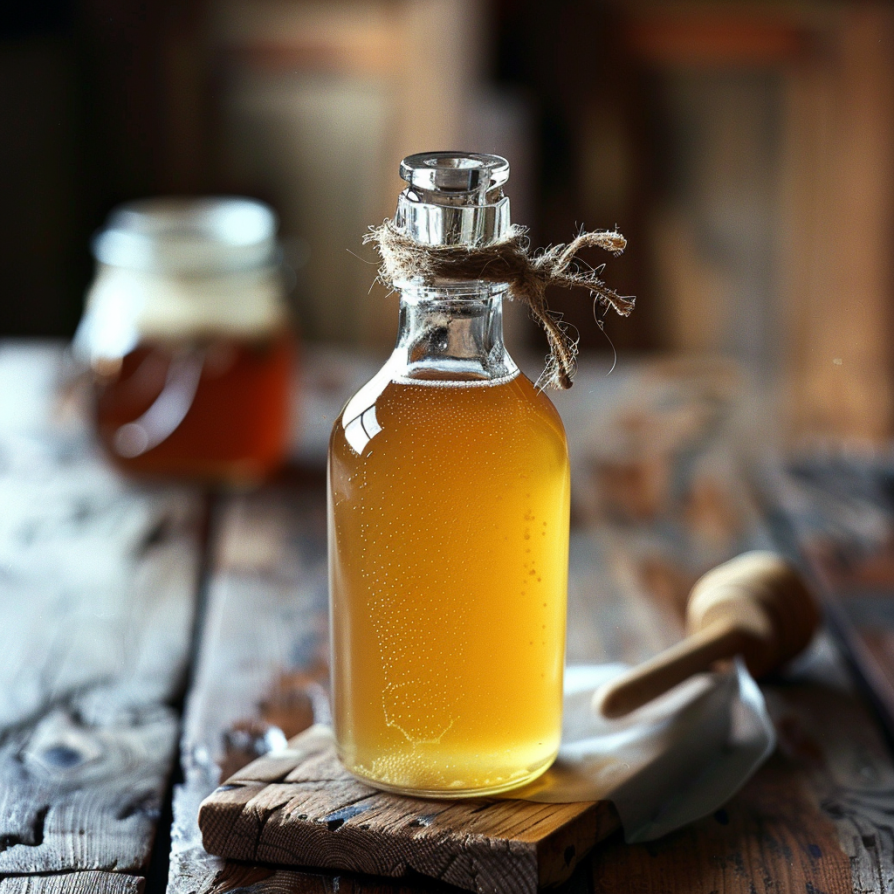
Online forums such as MeadTalk, the American Homebrewers Association’s mead section, and the Mead Co website itself host FAQs, batch logs, and troubleshooting guides. For visual learners, the image below illustrates a classic honey‑infused brew in progress.
What are the next steps after the first batch?
Once your inaugural mead clears and tastes balanced, experiment with secondary ingredients—spices, tea, or even oak chips—to create signature variations. Keep detailed notes on honey type, temperature, and additives; these records become the most valuable tool for replicating success and refining flavor over successive batches.
Traditional Mead Ingredients At Denise Feliciano Blog
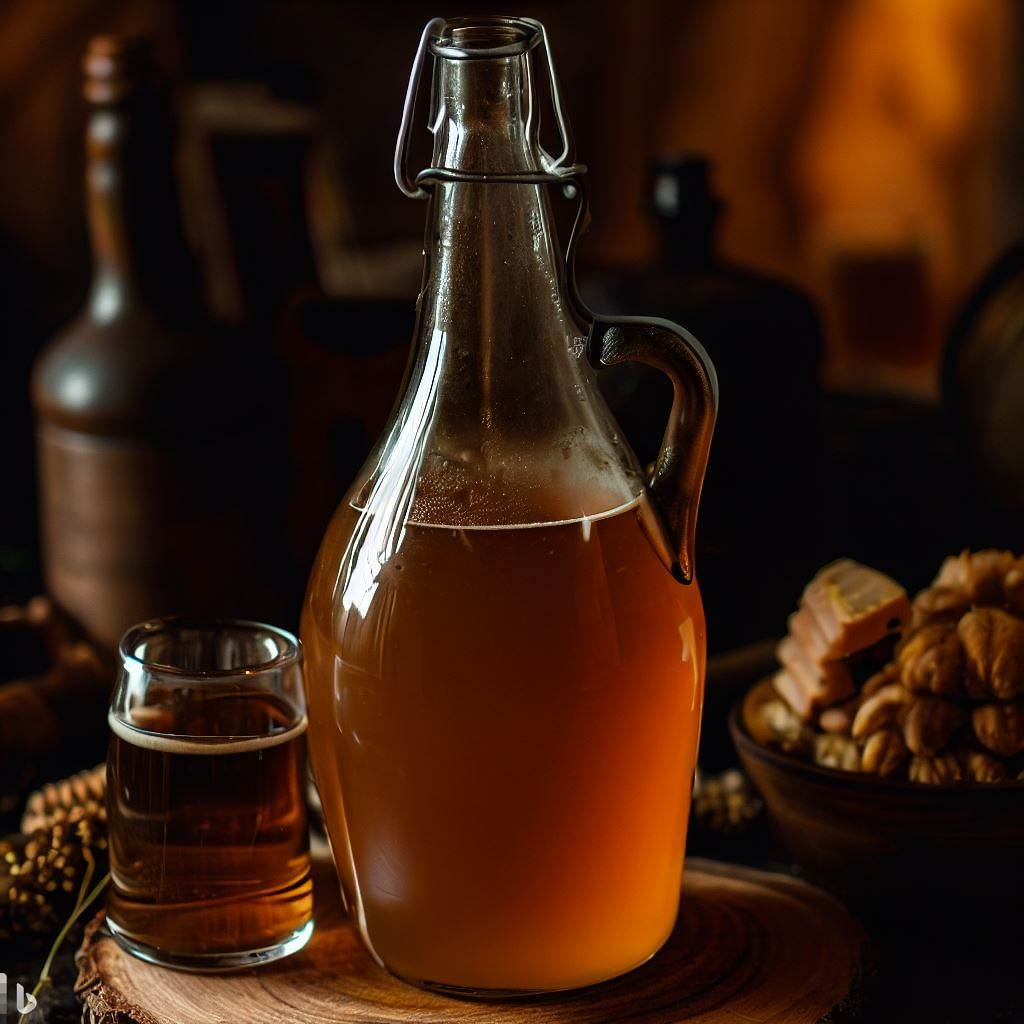
Traditional Mead Ingredients at Denise Feliciano blog
Buy Mead Ireland At Bill Henson Blog
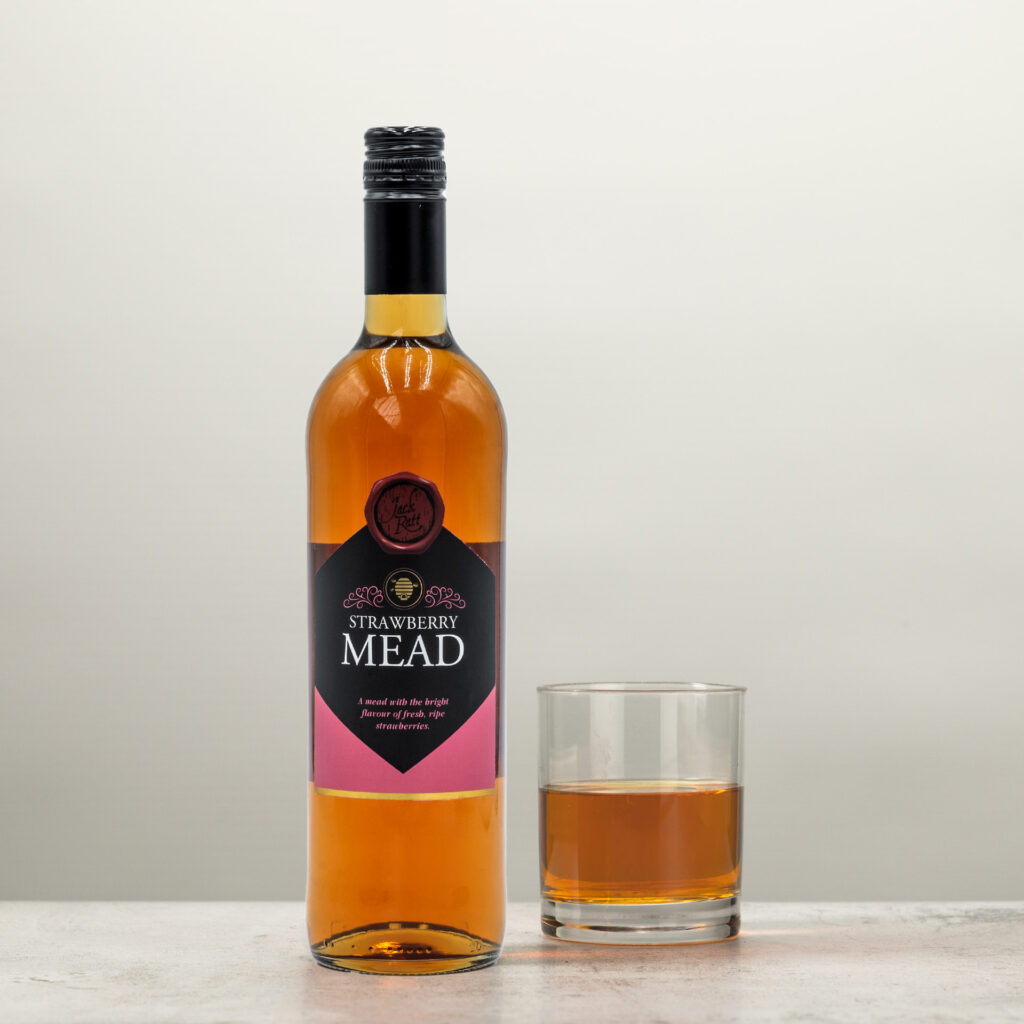
Buy Mead Ireland at Bill Henson blog
Best 13 What Is Mead And Why It’s The Next Big Thing – Artofit

Best 13 What is Mead and Why It’s the Next Big Thing – Artofit
Elderflower Mead - Discover The Delight Of Elderflower Mead Today

Elderflower Mead - Discover The Delight Of Elderflower Mead Today