When a FedEx pro forma invoice contains errors, customs clearance stalls, and your package may sit in a warehouse for days. The cost is not just a delayed deadline; it’s extra handling fees, missed sales windows, and a tarnished reputation. Understanding the most common slip‑ups—and how to prevent them—keeps your supply chain moving at the speed consumers expect.
Why a Flawless Pro Forma Invoice Matters
A pro forma invoice is the first document customs officials see. It declares the shipment’s value, description, and origin, guiding duties, taxes, and any import restrictions. FedEx relies on that information to pre‑clear freight, so any discrepancy triggers a manual review. In practice, an incomplete or inaccurate invoice can add 24–72 hours—or more—to transit time, eroding the “next‑day” promise that drives online sales.

Top Mistakes That Stall Your Shipment
- Missing or incorrect HS codes. The Harmonized System code classifies goods for duty assessment. A blank field or a generic “miscellaneous” entry forces customs to request clarification.
- Under‑declared value. Reporting a lower price to reduce duties raises red flags. Officials compare the declared value against market prices; a mismatch often leads to a physical inspection.
- Wrong currency. The invoice must state the transaction currency clearly. Mixing USD with EUR, or omitting the currency symbol, confuses duty calculators and pauses clearance.
- Inadequate product description. Vague terms like “parts” or “accessories” provide little guidance. Detailed descriptions—including material, purpose, and dimensions—speed up classification.
- Omitted country of origin. Origin determines preferential tariffs. Leaving this field blank forces the carrier to verify provenance, a step that can add days.
How to Avoid the Pitfalls
Implement a checklist before the invoice leaves your ERP system. Include the HS code, exact unit price, total value, currency, and a thorough product narrative. Where possible, use FedEx’s online pro forma generator, which validates fields in real time. For recurring shipments, maintain a master list of approved codes and descriptions; this reduces manual entry errors.
Training matters, too. Front‑line staff often create invoices under tight deadlines. A brief, quarterly refresher on customs requirements—especially changes to tariff schedules—keeps the team sharp. Pairing the checklist with a “two‑person sign‑off” policy adds a safety net without slowing workflow.

Consequences of a Delayed Clearance
Beyond the obvious schedule slip, shipments held at the border incur storage fees that FedEx passes to the shipper. In some cases, carriers impose a re‑entry surcharge if the invoice must be recreated after the cargo has already been inspected. For e‑commerce businesses, a single delayed order can trigger a cascade of customer service tickets, negative reviews, and lost repeat business.
Quick Recap for the Trend‑Aware Shipper
- Validate HS codes and ensure they match the product description.
- Declare the true commercial value in the correct currency.
- Provide a complete, specific item description and origin country.
- Use FedEx’s electronic tools and enforce a dual‑review process.
- Monitor customs updates regularly to stay ahead of tariff revisions.
By treating the pro forma invoice as a pivotal piece of the logistics puzzle—not a perfunctory form—you protect your timelines and preserve the brand promise of fast, reliable delivery. The cost of a careful second glance is negligible compared with the expense of a shipment that sits idle in a customs queue.
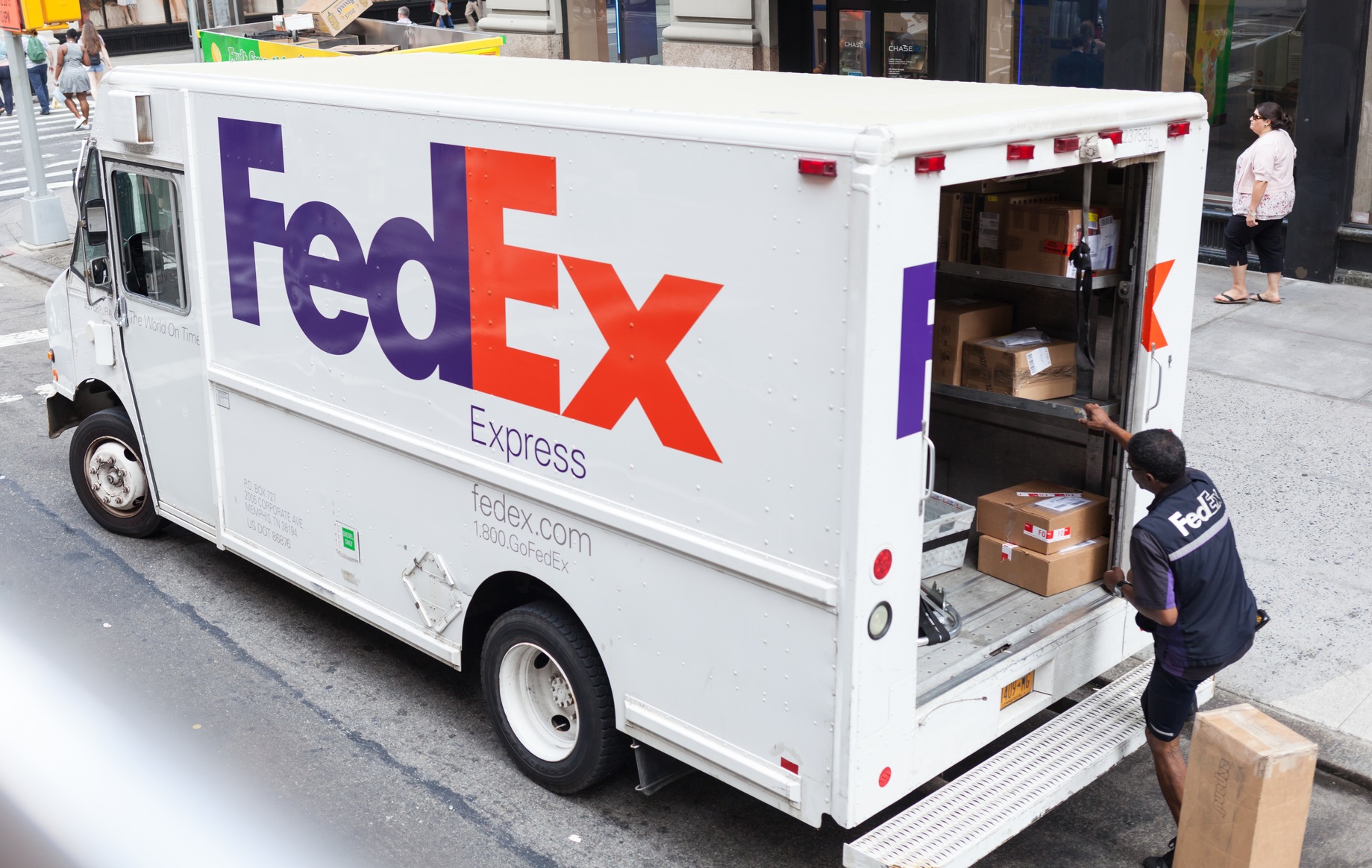
[200+] Fedex Backgrounds | Wallpapers.com
![[200+] Fedex Backgrounds | Wallpapers.com](https://wallpapers.com/images/hd/fedex-freight-shipping-truck-ycgps4u9mw2if4wv.jpg)
[200+] Fedex Backgrounds | Wallpapers.com
Fedex Ground Truck California

Fedex Ground Truck California
Fedex Education Benefits
Fedex Education Benefits